

What Affluent Westfield Patients Should Know About Oral Surgery
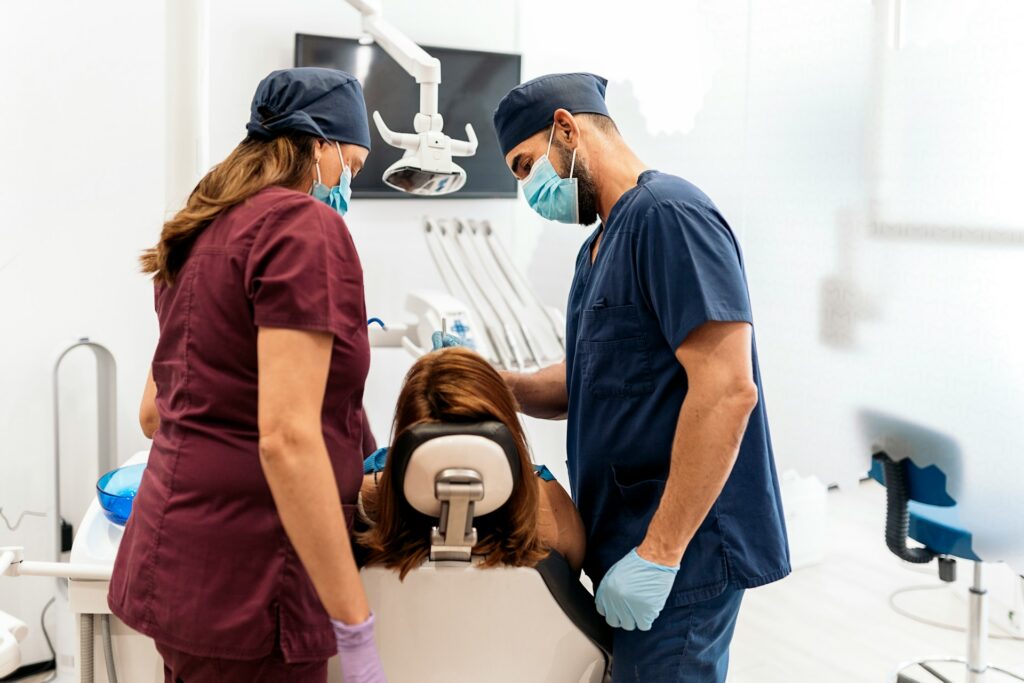
Confidently Navigating Oral Surgery Decisions
Oral surgery can sound intimidating, even if you are completely comfortable investing in your health. Many patients in Westfield and Summit want the same thing: clear information, control over decisions, and confidence that they are choosing the smartest option for their long-term smile.
Modern oral surgery is very different from what many people remember from years ago. With advanced imaging, precise planning, and comfort-focused techniques, care is typically smoother, more predictable, and easier to recover from. At our practice, we believe in concierge-style guidance, where we slow down, explain every option, and design a plan that respects your time, your lifestyle, and your aesthetic goals.
In this article, we cover common oral surgery options, who they are for, how long they take, what recovery is like, and how to plan them around work, travel, school, and sports seasons, including during summer and back-to-school timing. We will also touch on longevity and the investment aspect, including how cost and financing typically fit into your overall treatment plan.
When Oral Surgery Is the Right Choice for Your Smile
Oral surgery is not always the first step, but it is often the smartest one for long-term health and function. In Westfield and Summit, we commonly recommend or receive referrals for:
- Complex tooth extractions, including impacted wisdom teeth
- Dental implants and implant bridges to replace missing teeth
- Bone grafting and ridge preservation to support future implants or preserve facial structure
- Gum or bone reshaping to support cosmetic or restorative work
- Corrective procedures that improve the bite or jaw function (such as minor pre-prosthetic surgeries and, in some cases, coordination with orthognathic surgery)
We start with a comprehensive evaluation so we can decide together if surgery is truly the right choice, or if a more conservative option might work. This usually includes digital imaging, 3D scans, and a close look at how your teeth, gums, and jaw fit and function as a whole.
There is also a difference between elective and medically necessary oral surgery. Some procedures are done to prevent future problems, protect bone, or keep the bite stable. Others support cosmetic plans, such as veneers or full smile makeovers, so that your results look beautiful and last. Even when surgery is not urgent, it can be an important step in avoiding more invasive treatment later.
Modern Oral Surgery in Westfield, New Jersey
For patients seeking oral surgery in Westfield, New Jersey, technology plays a key role in making care more precise and comfortable. At our practice, advanced tools help us plan thoroughly and work with greater confidence.
We commonly use:
- CBCT 3D imaging for a detailed view of bone, nerves, and roots
- Intraoral scanners instead of traditional impressions in many cases
- Digital planning to map out implant positions, bone changes, and gum contours
- Guided surgery when appropriate to support accuracy and predictability
- High-quality biomaterials for bone grafting and tissue management
Comfort is always part of the plan. Local anesthesia keeps the area numb, and we offer different levels of sedation for patients who prefer to feel more relaxed or to remember less of the procedure. Options can range from nitrous oxide to oral or IV sedation, depending on the complexity of the treatment and your health history. Our environment is calm and welcoming for both adults and teens, which can make a meaningful difference in how the day feels.
Another benefit is having a coordinated team under one roof. When your oral surgery is part of a larger treatment plan, such as full-mouth rehabilitation, implant-supported restorations, or combined cosmetic work, everything can be planned as one complete picture instead of being pieced together across different offices. This coordination helps with timing, esthetics, and long-term function.
Key Oral Surgery Procedures Affluent Patients Ask About
Many patients who come to us already have strong expectations for comfort, esthetics, and long-term results. Below is a more detailed look at the procedures we are asked about most often, including candidacy, the process, and typical timelines.
Dental Implants and Implant Bridges
Implants are often a strong option when you want a fixed, natural-feeling replacement for a missing tooth or several teeth. They can replace a single tooth, multiple teeth with an implant bridge, or even support a full arch of replacement teeth.
Ideal candidates usually have:
- Healthy gums or gums that can be brought to health
- Enough bone or the possibility of bone grafting to support the implant
- Stable general health and well-managed medical conditions
- A commitment to good home care and regular visits
Implant Process and Timeline
- Consultation and Planning: We evaluate your teeth, gums, and bite, take 3D imaging, and design a custom plan. If cosmetic goals are part of the picture, we coordinate implant positioning with the final smile design.
- Site Preparation (if needed): This may include extractions, bone grafting, or ridge preservation. Healing from grafting generally takes several weeks to a few months, depending on the extent.
- Implant Placement: The implant is positioned in the bone using guided techniques when appropriate. Most patients are surprised by how comfortable this visit feels with proper anesthesia and sedation.
- Healing and Integration: Over several months, the bone fuses with the implant. During this phase, we plan temporary solutions so you can smile and function as normally as possible.
- Final Restoration: Once the implant is stable, a custom crown, bridge, or full-arch restoration is attached. This is where the esthetics and bite are fine-tuned for a natural appearance and comfortable chewing.
With proper care, implant-supported restorations are designed with longevity and function in mind.
Wisdom Teeth and Complex Extractions
Wisdom teeth are often removed when they are:
- Impacted or growing at an angle
- Causing pain, swelling, or infections
- Crowding other teeth or affecting orthodontic results
- Associated with cysts or damage to neighboring teeth
Candidacy and Timing
- Teens and young adults often experience smoother recovery because roots are not fully formed and bone is more flexible.
- Adults can also be excellent candidates, but treatment planning may require more imaging and coordination with existing restorations or orthodontic work.
For teens and college students, planning removal during school breaks, such as summer, often makes recovery easier. With modern techniques, careful flap design, and good aftercare, most patients are pleasantly surprised by how manageable the process is.
Recovery
- Most patients rest for a day or two and gradually return to light activities.
- Swelling typically peaks around 48, 72 hours and then improves.
- A soft diet and careful home care help protect the area while it heals.
Bone Grafting and Ridge Preservation
Jawbone naturally shrinks after a tooth is removed. Bone grafting helps preserve volume, which supports:
- Stronger, more stable implants in the future
- A smoother, fuller facial profile
- Better support for bridges or dentures
- Improved long-term health of the surrounding teeth and jaw joints
Types and Timing
- Ridge Preservation at Extraction: A graft is placed at the time of tooth removal to maintain volume and shape in the area.
- Ridge Augmentation: When bone has already been lost, additional grafting can rebuild the ridge to support implants or improve esthetics under bridges or dentures.
- Sinus Grafting (Sinus Lift): In the upper back jaw, bone can be added beneath the sinus to create the height needed for implants.
Healing times vary from several weeks to several months, depending on the size of the graft and your overall health. Throughout healing, we monitor the area clinically and radiographically to ensure the bone is developing as planned.
Cosmetic-Supportive Surgery
Sometimes small surgical changes to the gums or bone line set the stage for a dramatic cosmetic improvement. This can include:
- Reshaping uneven gum lines before veneers or crowns (esthetic crown lengthening)
- Adjusting bone contours to support a more natural smile shape
- Exposing more tooth structure to lengthen short-looking teeth
- Minor soft-tissue procedures to refine how the lips and gums frame the teeth when you smile
These steps are often subtle but can have a significant impact on the final look and balance of your smile. They are typically coordinated closely with your restorative or cosmetic dentist so that the surgical and cosmetic phases work together seamlessly.
Corrective Procedures for Bite and Jaw Function
For some patients, functional concerns are as important as esthetics. Corrective procedures may include:
- Pre-prosthetic surgery to reshape bone or soft tissue before dentures or full-arch restorations
- Exposure of impacted teeth to assist orthodontic treatment
- Coordination with orthodontists and, when appropriate, surgeons who perform orthognathic (jaw) surgery
These treatments are carefully planned with digital models and 3D imaging to support a stable bite, comfortable jaw joints, and balanced facial proportions.
What to Expect Before, During, and After Surgery
We find that the more you know ahead of time, the more relaxed you feel at every step.
Before Surgery
Planning usually includes:
- A detailed consultation and review of imaging
- Discussion of medical history, medications, and allergies
- Evaluation of any previous dental work, orthodontic treatment, or cosmetic plans
- Clear instructions on eating, drinking, and medications before your visit
- Help planning time away from work, school, sports, or travel
We encourage you to bring questions and, if you like, a family member to help you review options. Our goal is that you leave the consultation understanding not only what we recommend, but why.
Day of Your Procedure
On the day of your procedure, you can expect a calm check-in and a review of the plan once more. In the treatment room, you meet the clinical team that will be with you the entire time. Anesthesia or sedation is started, and your comfort is monitored from beginning to end.
Procedure length depends on what we are doing:
- Simple extractions or minor gum procedures may take under an hour.
- Multiple extractions, bone grafting, or several implants can take one to a few hours.
- More complex, staged procedures may be planned across multiple visits.
We provide a realistic estimate in advance so you can plan your day.
Recovery and Healing
Recovery and healing vary by procedure and by person, but many patients return to normal daily activities within a few days, sometimes sooner for less involved surgeries.
You can expect:
- Swelling and soreness to be most noticeable early on and then fade over several days
- A progression from soft foods back to your usual diet as comfort allows
- Follow-up visits so we can monitor healing and refine your home-care routine
We give clear guidance on:
- How long to rest and limit activity
- What to eat and drink, from soft foods back to a regular diet
- How to care for the area at home, including cleaning, rinses, and any prescribed medications
We also review red flags, such as unusual pain, bleeding, or swelling, so you know exactly when to contact us.
Longevity, Investment, and Peace of Mind
One of the biggest questions we hear is, “How long will this last?” With good care, many surgical outcomes, such as implants, bone grafting, and cosmetic-supportive surgeries, are designed with longevity in mind. Proper care usually includes:
- Daily brushing and flossing with good technique
- Regular professional cleanings and checkups
- Following custom maintenance plans for complex restorative work
- Wearing recommended nightguards or retainers to protect your investment
Beyond comfort and esthetics, a well-planned procedure can improve chewing, protect the jaw joints and bone, support clear speech, and enhance facial balance. We encourage patients to look at oral surgery as a long-term investment in comfort, health, and confidence.
Cost, Financing, and Planning Your Investment
Every treatment plan is customized, so costs vary depending on:
- The number and type of procedures
- Whether bone grafting or additional preparatory work is needed
- The materials and technologies involved
- The complexity of your case and the level of sedation you choose
Rather than focusing on shortcuts or low-cost options, we prioritize high-quality materials, advanced planning tools, and a comfortable experience. During your consultation, we provide a transparent written treatment plan that outlines:
- The recommended phases of care
- Associated fees for each phase
- How your dental benefits may contribute, if applicable
- Options for third-party financing or phased treatment to align with your budget and timeline
Our team assists with insurance paperwork and helps you understand your benefits so there are fewer surprises. Many patients choose to use financing to spread out payments for larger, comprehensive plans while still moving forward with the level of care they prefer.
Planning Surgery Around Your Schedule
For busy professionals, parents, and students, timing matters. We routinely help patients coordinate surgery with:
- Work and travel schedules
- Summer and winter breaks for teens and college students
- Sports seasons and performance commitments
- Cosmetic timelines, such as weddings, reunions, or important events
By planning ahead, we can often sequence treatments so that healing periods fall during quieter windows in your calendar, minimizing disruption to your routine.
If you are considering oral surgery in Westfield or Summit, a thorough consultation is the best first step. With clear information, advanced technology, and a concierge-style approach, our goal is to help you feel informed, comfortable, and confident at every stage of your care.
Restore Comfort and Confidence With Expert Oral Surgery Care
If you are experiencing pain, damage, or dental concerns that may require surgery, The Dental Studios is here to help with compassionate, advanced treatment. Learn how our team can protect your health and smile with trusted oral surgery in Westfield, New Jersey. To schedule an appointment or ask questions about your options, simply contact us today.